
As a long-time player and observer of the platform fighting genre, I find myself reflecting on the journey of Nickelodeon All-Star Brawl. When it launched back in late 2021, it was a game bursting with potential, capturing the chaotic fun of its genre peers, yet it faced immediate and vocal criticism for what many felt was a lack of polish and content, particularly the absence of alternate character skins and voice acting. Fast forward to the present landscape of 2026, and the game's evolution is a testament to developer Ludiosity's commitment. The pivotal moment in that journey, I'd argue, wasn't a massive balance patch or a new character, but the release of the 'Super DLC 3000' – a wave of free skins that arrived in December 2021. Looking back now, that update was more than just cosmetics; it was a statement of intent and a crucial step in keeping the community engaged.
The significance of skins in a fighting game is something we often take for granted, isn't it? They're not just about aesthetics. In the heat of a four-player battle, distinctive alternate costumes help you keep track of your character amidst the visual noise. More importantly, they allow for player expression, letting you put your own stamp on a beloved fighter. Nickelodeon All-Star Brawl's initial launch lacked this entirely, a point thrown into sharp relief by the announcement and subsequent 2022 launch of Warner Bros.' MultiVersus, which launched with full voice acting and multiple skins per character. The pressure was on for Ludiosity to respond, and respond they did—not with a paid expansion, but with a free content drop.
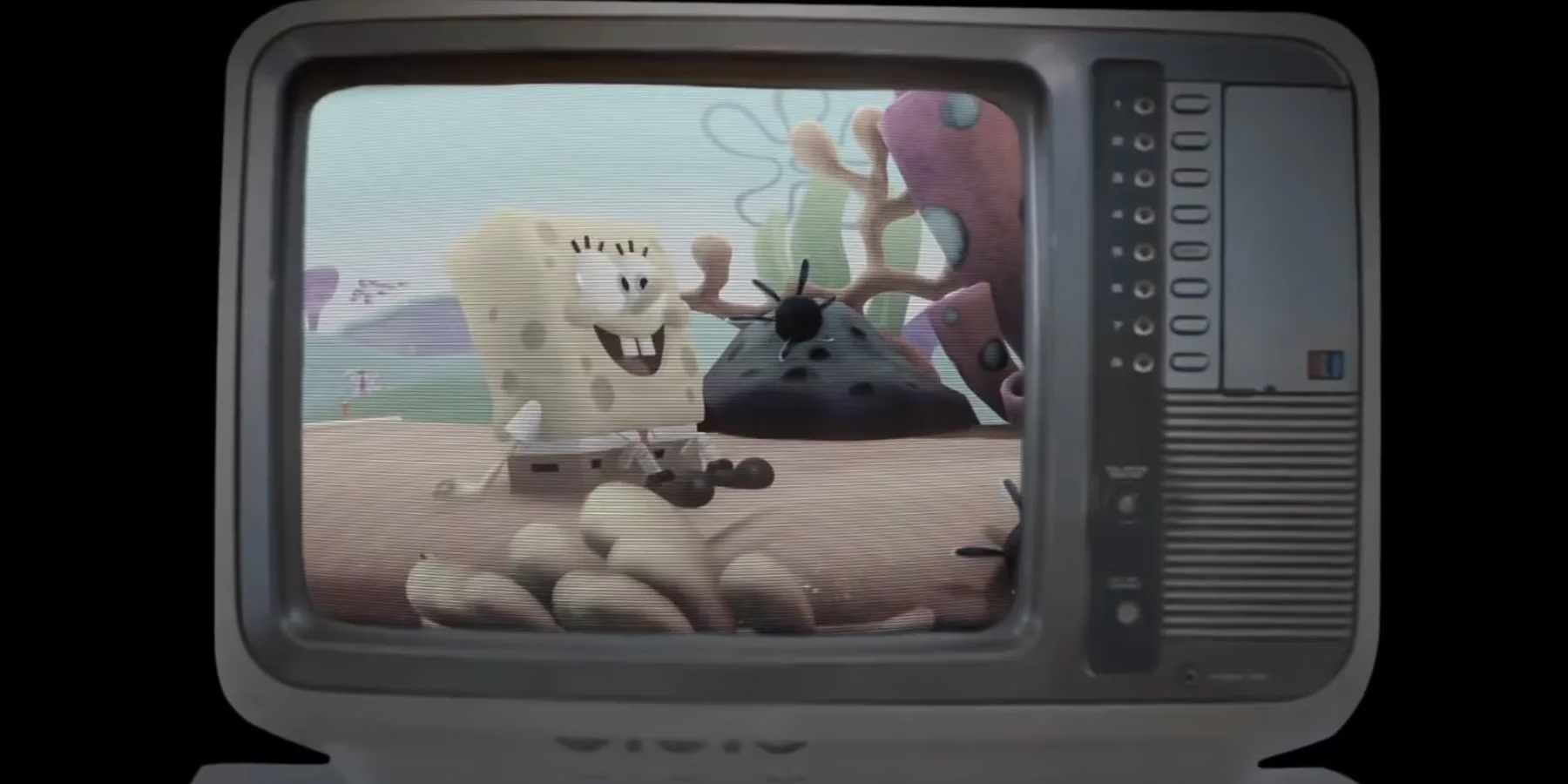
The 'Super DLC 3000' trailer itself was a masterclass in nostalgic marketing. It didn't just show the skins; it sold them with a pitch-perfect late-80s/early-90s commercial aesthetic. We saw a mix of live-action segments and gameplay, all adorned with retro fonts and graphic design elements. It was charming, self-aware, and immediately set the tone: this was about fun and nostalgia, both for Nickelodeon's history and for gaming's past. The update delivered one new skin for every fighter on the roster, a move that, while modest compared to the dozens offered in titles like Super Smash Bros. Ultimate, was exactly what the player base needed.
Let's break down what these skins actually brought to the table. They weren't created equal, and that variety was part of the charm:
-
Thematic & Referential Skins: These were the highlights, directly pulling from iconic moments in the characters' source material.
-
Zim received his human school uniform disguise, complete with normal eyes and hair hiding his antennae—a deep-cut reference for fans.
-
Toph was outfitted in her battle gear from the 'Day of Black Sun' arc in Avatar: The Last Airbender.
-
Ren and Stimpy terrorized the stage in their 'Yaksmas' variant.
-
-
Simple, Charming Additions: Many skins took a simpler, hat-based approach that somehow fit the characters perfectly.
-
Spongebob Squarepants with his iconic soda-drinking hat (featured prominently in the key art).
-
Patrick Star sporting a goofy cowboy hat.
-
Nigel Thornberry looking the part with an explorer's cap.
-
Lincoln Loud keeping it casual with a black beanie.
-
-
Color Palette Swaps: The rest were primarily recolors, which, while less exciting, still added visual variety. Examples included a purple Reptar and April O'Neil in a green jumpsuit.
Releasing this content for free was, in my opinion, Ludiosity's smartest move. Had they charged for what many argued should have been in the base game, the 'Super DLC 3000' would have been met with a wave of backlash. Instead, it was a goodwill gesture—a 'no harm, no foul' addition that gave existing players a reason to jump back in and showed newcomers that the developers were listening. It was the catalyst the game needed. In the years since, we've seen Nickelodeon All-Star Brawl receive more substantial updates, balance passes, and additional characters, helping it carve out its own niche in a genre that now includes the behemoth MultiVersus.
Standing here in 2026, the legacy of the Super DLC 3000 is clear. It wasn't the most content-rich update in gaming history, but it was a vital course correction. It proved that Ludiosity was dedicated to supporting their game and its community. For players like myself who stuck with the brawl through its rocky start, those skins represented a turning point—a promise of more to come, delivered with a hefty dose of Nickelodeon's signature slime-covered, retro charm. The game is still available on all major platforms, and while it may not have the budget of its competitors, it possesses a heart and a dedicated player base that first truly rallied around a set of free, fun, and frankly, fantastic new looks for their favorite cartoon brawlers.
Comments